A sore back after a long shift on London Road, a stubborn neck ache from too many Teams calls, a running niggle that will not settle before race day. People search for a Croydon osteopath for all sorts of reasons. The choice looks simple until you discover how many different hands-on therapies exist, and how similar the websites sound. That is when credentials stop being a footnote and start becoming the anchor for safe, effective care. In the UK the title osteopath is protected by law, which matters far more than a slick logo or a clever tagline. It is your assurance that the clinician has the right training, follows strict standards, and knows when to treat and when to refer.
I have practiced across South London and Surrey long enough to see what good osteopathic care achieves, and what happens when shortcuts creep in. The difference often starts with registration and the systems behind it. If you are weighing up an osteopath near Croydon, here is how to judge the credentials, what to expect in a thorough appointment, and how to balance convenience with quality.
Registration is not window dressing
In the United Kingdom an osteopath must be registered with the General Osteopathic Council, usually written as GOsC. This is not a trade group or a marketing club. It is a statutory regulator set up under the Osteopaths Act 1993, similar in function to bodies that regulate doctors, dentists, and physiotherapists. Using the title osteopath without being on the GOsC register is a criminal offence. That protection matters for the public because it sets a floor for training, conduct, and accountability.
To get on the register an osteopath must complete an accredited degree, most often a B.Ost or M.Ost, which typically takes four to five years of full-time study. The syllabus is not just massage and joint clicks. It includes anatomy in depth, physiology, biomechanics, pathology, clinical reasoning, and hands-on techniques across a broad spectrum. Students are supervised in teaching clinics for hundreds of hours before they qualify. After graduation every registered osteopath must:
- Keep professional indemnity insurance up to the required level. Complete annual continuing professional development with peer discussion and objective activities. Adhere to the Osteopathic Practice Standards covering communication, patient partnership, safety, and professionalism. Engage with fitness to practise processes if concerns are raised, with sanctions ranging from advice to removal from the register.
The GOsC register is public and searchable. Across the UK there are typically around five to six thousand registered osteopaths at any given time. Croydon and the surrounding areas support a healthy number of practices, from small rooms within gyms to larger osteopathy clinics. The common denominator between them should be registration.
Why credentials affect outcomes, not just optics
Most musculoskeletal issues are not life threatening, yet poor decision making can prolong pain, waste money, or allow serious problems to slip past unrecognised. A registered osteopath is trained to find the pattern behind the pain, not just the sore spot. That includes:
- Screening for red flags that require medical input, such as progressive neurological changes, unexplained weight loss, systemic illness, or infection. Understanding when imaging will change management and when it will not. Ordering a scan for non-specific lower back pain within the first six weeks is rarely helpful unless certain features are present. Using evidence-informed manual therapy and exercise rather than a one-size-fits-all protocol. Knowing local pathways for referral, for example liaising with your GP in South Croydon, signposting to physiotherapy through Croydon University Hospital, or suggesting private imaging if timelines are tight.
Credentials do not guarantee miracle cures. They do set the stage for sensible, safe, and efficient care with clear goals and honest time frames.
A quick way to check the basics
Credentials checking should be easy, not a treasure hunt. Here is a short checklist if you are choosing a registered osteopath in Croydon:
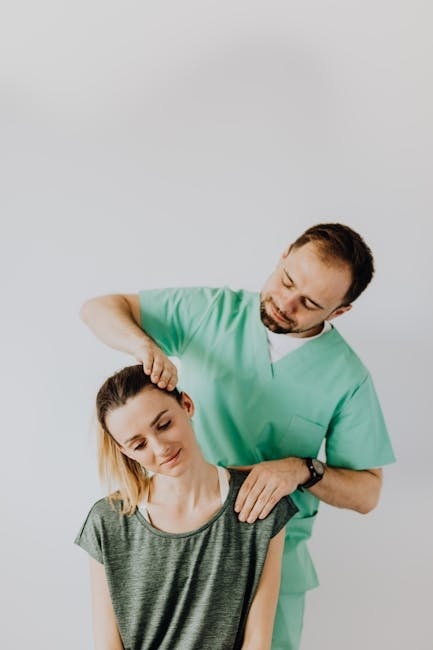
- Search the practitioner’s name on the General Osteopathic Council register and note the registration number. Look for the registration certificate displayed in the clinic and make sure the name matches the osteopath you will see. Ask what degree they hold and where they trained. B.Ost and M.Ost are standard UK pathways. Confirm they carry professional indemnity insurance and follow data protection, consent, and chaperone policies. If you are pregnant, have osteoporosis, rheumatologic disease, or complex medical history, ask how they adapt treatment to those contexts.
You should receive direct, confident answers. Anything evasive should raise your suspicion.
What high-quality osteopathic care looks like in practice
A good appointment has a tempo. It does not feel rushed, but it also does not meander. When you visit an osteopathy clinic in Croydon that takes its standards seriously, the journey usually follows a clear flow.
The clinician starts with a structured case history. They ask about the onset, character, and behaviour of your pain, but also your sleep, work set-up, stress, general health, and expectations. An office manager from East Croydon with neck Croydon osteopath pain rarely presents the same as a tiler from New Addington with a sore lower back, even if both say it hurts to look over the shoulder.
Next comes examination. You will be asked to move in standing and sitting. The osteopath will test joint ranges, muscle strength, and specific movements that reproduce or relieve symptoms. They might carry out neurological screening if you have leg pain with numbness or weakness. Hands-on palpation refines the picture, but it is not a magical diagnostic sense. It serves the bigger narrative built from your history and functional tests.
If the presentation is suitable for osteopathic treatment, the clinician will explain a plan in plain language and gain your consent. Techniques may include soft tissue work, articulation to gently move a joint through range, muscle energy techniques where you lightly contract against resistance, and joint manipulation where appropriate. Not everyone is a candidate for high-velocity techniques, and not all spines need clicks to get better. A registered osteopath will weigh risks, preferences, and goals before choosing.
Manual therapy in Croydon clinics is no longer a stand-alone solution. You should leave with clear self-management strategies. That might be a simple loading plan for Achilles pain if you run around Lloyd Park, or workstation tweaks and short movement breaks if you commute on Thameslink and then sit at a dual-screen set-up near Croydon town centre. Good care also involves expectation management. Some tendinopathies respond in 6 to 12 weeks. Acute lower back pain often settles within a few weeks, with flare-ups along the way. Persistent issues sometimes need a longer arc and collaboration with physiotherapy, pain specialists, or psychological support.
How osteopathy fits with other disciplines
Patients often ask whether they should see a chiropractor, a physiotherapist, or a massage therapist instead. Each discipline has strengths, and the right choice depends less on the title and more on the clinician’s skill, your problem, and your preferences.
Physiotherapists are regulated by the Health and Care Professions Council and are central in post-operative rehab, neurological conditions, and strength and conditioning for sport. Many are excellent with persistent pain. Chiropractors are regulated by the General Chiropractic Council and often focus on spinal manipulation. Soft tissue therapists and sports massage practitioners can deliver helpful symptom relief and adjunctive care, though their titles are not protected in the same way. Osteopaths train broadly across the musculoskeletal spectrum, with particular emphasis on hands-on techniques integrated with exercise and education.
A registered osteopath in South Croydon should be ready to collaborate. I routinely refer runners to local physiotherapists for graded return-to-run plans, and I have asked GPs to investigate inflammatory markers when pain patterns raised suspicion of systemic illness. The best osteopath in Croydon is not the one who claims to do everything, but the one who knows who else to involve.
Conditions that commonly respond to osteopathic treatment
People most often seek osteopathic treatment in Croydon for back and neck pain. That is only the start. The scope includes a wide set of mechanical problems:
Lower back pain with or without referred leg pain. Osteopathic care aligns with national guidance that supports manual therapy combined with exercise and education for non-specific lower back pain. The goal is to reduce pain, restore movement, and help you return to normal activities sooner, not to promise instant cures.
Neck pain and cervicogenic headache. If your neck feels stuck after long days at a laptop or long drives on the A23, gentle mobilisation and targeted exercises can help. Headaches that start in the neck often ease as mobility improves and muscles settle. True migraine or red flag features need onward referral.
Shoulder impingement and rotator cuff problems. Builders, plasterers, and racquet-sport enthusiasts in Croydon present with painful arcs, weakness, and night pain. Treatment balances load management with scapular control and soft tissue work. Imaging is sometimes useful if conservative care stalls.
Hip osteoarthritis. Many older adults in Purley, Sanderstead, and South Croydon walk better, climb stairs more safely, and sleep more comfortably when joint mobility, strength, and confidence are improved. Manual therapy supports short-term function while exercise builds resilience.
Knee pain. From runner’s knee on the Parkrun route to early osteoarthritis, clear diagnosis matters. The right mix of quadriceps and hip strengthening, pacing, and manual therapy often gets people moving again.
Tendinopathy. Achilles and gluteal tendinopathies are common around Addiscombe and Shirley among active residents. These benefit most from progressive loading rather than passive rest. Hands-on treatment can calm sensitivity, but the exercises do the heavy lifting.
Pregnancy-related pelvic girdle pain and postnatal issues. Gentle techniques, belts where indicated, and advice on movement strategies make a concrete difference. Coordination with your midwife or GP is often helpful.
TMJ and rib pain, desk-related aches, elbow pain in trades, and plantar heel pain also feature. Where symptoms fall outside a musculoskeletal pattern, or where systemic signs appear, a registered osteopath knows to step back and liaise with medical colleagues.
Short case snapshots from local practice
People do not recover in textbooks. They recover in the thick of their lives, which is why local context helps.
A kitchen fitter from South Croydon came in with three months of shoulder pain that flared when lifting cabinets. The initial assessment suggested a rotator cuff tendinopathy with secondary stiffness. We combined soft tissue work, scapular setting drills, and a graded return to overhead activities using bands in the workshop between jobs. By week four he reported sleeping through the night, and by week eight he had full, pain-free elevation. He still checks in every few months during busy periods.
An office manager who commutes through East Croydon developed neck pain with headaches by Friday afternoon. Her workstation had a laptop on a low table and a chair with no lumbar support. Treatment focused on thoracic mobility and cervical soft tissue, but the big win came from a simple laptop riser, an external keyboard, and a 20 to 30 second movement break every half hour. The headaches faded within three weeks.
A retired gardener in Shirley struggled with hip stiffness that made morning walks around the local park feel like a chore. Examination pointed toward moderate osteoarthritis without sinister signs. We worked on hip capsule mobility, gluteal strength, and stride length. He kept to a walking diary and set step goals. After six weeks he was back to three brisk laps, no pain relief tablets needed most days.
A club runner from Addiscombe developed Achilles pain six weeks out from a 10K. Rest had not worked. We introduced a staged calf-strength programme and used manual therapy for symptom relief. She adjusted her training volume, swapped a speed session for a cross-training day, and ran the race comfortably at a slightly conservative pace. The Achilles felt stable. She kept the exercises going and returned to full speed sessions later.
These are not miracles. They are ordinary results of clear reasoning, sound technique, and good self-management.
Safety, consent, and the small print that should not be small
Hands-on care is safe when delivered by trained professionals who screen well and secure informed consent. Every technique carries some level of risk, from short-lived soreness to rare complications. Cervical manipulation is not automatically off the table, but it deserves proper risk-benefit discussion and often an alternative approach. A registered osteopath is taught to explain options, adapt plans to conditions like osteoporosis or hypermobility, and document consent.
If something does not feel right, you can stop a session at any point. Clinics should have chaperone policies, privacy in changing, and clear procedures for feedback or complaints. If you have a concern that is not resolved locally, the GOsC has an established process. This backstop is part of why choosing a registered osteopath in Croydon is different from seeing an unregulated provider.
The local angle: practicalities that make care workable
A good plan on paper collapses if you cannot get to your appointment or fit it around your obligations. The best osteopath for you might be the one who can see you early before a shift or late after a commute, rather than the one with the most awards on the wall.
Croydon’s transport web gives options. Clinics near East or West Croydon stations serve rail and Overground commuters. Practices in South Croydon are handy for residents in Sanderstead, Purley Oaks, and Kenley. Tramlink helps if you come in from Addington or Wimbledon. Many osteopathy clinics in Croydon offer evening and Saturday slots. Parking varies, so ask ahead. If stairs are an issue, confirm there is step-free access or a lift.
Integration with the local healthcare network also matters. A local osteopath in Croydon who knows the area can signpost to reputable imaging providers if needed, liaise with your GP at London Road or Brigstock, and recommend physiotherapy colleagues or podiatrists nearby. For sports injuries, links with local running clubs, cricket teams, or gyms can make rehabilitation smoother.
It is okay to prioritise convenience as long as you do not trade away registration, standards, or communication quality.
Fees, value, and marketing red flags
Musculoskeletal care sits in the space where people pay out of pocket for private appointments. In Croydon and South London, typical fees for a first osteopathic consultation range from roughly 60 to 95 pounds for 45 to 75 minutes. Follow-ups commonly sit between 45 and 75 pounds for 30 to 45 minutes. Clinics sometimes offer packages or corporate rates. Some private medical insurers reimburse osteopathic treatment when the provider is registered and recognised, but pre-authorisation and limits apply.
Value does not scale directly with price. You are buying clarity, safety, and a plan that fits your life. Beware of marketing that promises permanent fixes in a set number of sessions, offers steep discounts only if you buy large blocks up front, or leans heavily on gadgets that lack evidence. Equally, be cautious of anyone claiming to be the best osteopath in Croydon without context. Awards and reviews have their place, but sustained outcomes and patient trust matter more.
One healthy sign is transparent re-evaluation. A registered osteopath should tell you how many sessions they expect before you see a meaningful shift, what the milestones are, and what they will do if progress stalls. That includes changing tack or referring onward rather than doubling down on a failing approach.
Five questions to ask before you book
- Are you a registered osteopath with the General Osteopathic Council, and what is your registration number? What does a first appointment involve, and how long does it last? Which conditions do you see most often, and what is your approach to mine? How do you measure progress and decide when to adjust or refer? What are your fees, cancellation terms, and recognition with my insurer if I have one?
The answers will give you a clear feel for safety, structure, and fit.
What to expect after treatment
People often feel looser, lighter, and more confident after hands-on work. Some experience temporary soreness for 24 to 48 hours, much like after a new exercise routine. Your osteopath should explain what is normal, what to do for short-term comfort, and what Croydon osteopath signs warrant a call.
Recovery time lines vary. Acute lower back pain after lifting a suitcase up Croydon’s station stairs might settle in one to three weeks with the right mix of movement and manual therapy. A six-month shoulder problem will not vanish in two sessions, but you should feel a direction change within a few appointments. Tendon issues tend to respond over six to 12 weeks with consistent loading and careful pacing. Persistent pain that has lasted more than a year often deserves a longer view that includes sleep, stress management, graded exposure to feared movements, and collaboration with other professionals.
If pain spikes or new symptoms appear between sessions, a registered osteopath wants to know. Plans are not static. They should shift to your response and your schedule.
Manual therapy and modern evidence
The conversation around manual therapy has matured. The old narrative of bones out of place does not hold up. Instead, we see manual therapy as a way to modulate pain, improve movement confidence, and create a window for better loading. That aligns with research showing that the best outcomes come from combining hands-on care with active rehabilitation, education, and gradual return to valued activities.
A registered osteopath in Croydon should be comfortable talking about uncertainty. Not every mechanism is fully understood, and not every technique works for every person. What matters is that the approach is coherent, proportionate, and responsive to you. Exercises are not a punishment for liking hands-on care. They are the engine that keeps you improving between sessions.
Special considerations: older adults, pregnancy, hypermobility, and sport
Standards matter most when context complicates the picture.
Older adults benefit from clear falls risk assessment, medication awareness, and bone health considerations. Techniques are adapted to lower force, with attention to balance and strength. Goals often focus on function that matters day to day: getting out of a chair, carrying shopping up stairs in South Croydon, walking with friends in Lloyd Park without fear of tripping.
During pregnancy, gentle positioning and specific supports keep you comfortable. Pelvic girdle pain responds to load sharing and movement strategies. Postnatal care looks at diastasis management, pelvic floor coordination, and a paced return to lifting and running.
People with hypermobility often crave stability more than mobility. Treatment avoids aggressive end-range techniques and leans into neuromuscular control, proprioception, and strength. Education on energy management serves well.
Athletes, whether weekend or competitive, want clarity on timelines. A registered osteopath can map training adjustments, coordinate with coaches, and build tolerance back into tendons and joints. For Croydon Harriers or parkrun regulars, that might mean periodising strength work and planning smarter recoveries around races.
Communication: the quiet skill that earns its keep
Technical skill matters, but so does language. Jargon can spook or mislead. A registered osteopath should avoid terms that suggest fragility, like slipped discs or crumbling spine, unless they are objectively accurate in rare cases. Reassurance should be grounded, not fluffy. You want to leave with a story that makes sense of your pain and a plan you can believe in.
That communication runs both ways. If you dislike a technique or prefer to avoid manipulation, say so. A good clinician will offer alternatives without fuss. If the plan feels too complex for your week, ask for a simpler version you can stick with. Consistency beats perfection in rehabilitation.
How to choose an osteopath near Croydon that fits you
Start with registration. Then look at location and opening hours. Read a few reviews, but read for content rather than scores. Do people mention listening, clear explanations, and sensible plans, or do they only talk about quick fixes and cracking sounds?
Call the clinic. A helpful receptionist or osteopath should explain what to expect, outline fees, and answer basic questions. If you have a specific concern, such as rheumatoid arthritis, previous spinal surgery, or pregnancy in the third trimester, ask how they adapt. If you are contacting an osteopath south Croydon way, confirm parking or step-free access if needed.
When you attend, trust your instincts. You should feel heard. The plan should make sense. You should understand why you are doing a particular exercise and what outcome it targets. You should know when the next review happens and what success looks like.
The small differences that set clinics apart
Some distinctions are hard to see on a website but matter once you are in the room.
Time management. Rushed sessions short-change both assessment and treatment. A clinic that protects 45 to 60 minutes for new patients and a solid 30 to 45 for follow-ups often does better work.
Continuity. Seeing the same osteopath allows pattern recognition over time. In a larger osteopathy clinic in Croydon you might have access to multiple clinicians, which is helpful for cover and varied expertise, but continuity should still be possible when you prefer it.
Notes and follow-up. After sessions you should receive a brief summary and your exercises. Modern clinics use secure software for notes and reminders. If life gets busy, a quick check-in by email can keep momentum.
Network. Good links with GPs, physiotherapists, podiatrists, and imaging providers smooth referrals. If something sits outside osteopathy’s lane, you get to the right person faster.
CPD focus. Many osteopaths develop special interests, from running injuries to persistent pain to women’s health. That does not mean others cannot help, but a focused interest can benefit complex cases.
Why “registered osteopath Croydon” is more than a search term
Search engines reward keywords like Croydon osteopath, osteopath south Croydon, osteopath near Croydon, or manual therapy Croydon. Those phrases help you find options, but they do not guarantee standards. Registration does. It tells you that behind the marketing there is a regulated clinician held to national benchmarks for training, behaviour, and ongoing learning.
When you sidestep credentials, you gamble. You might still receive decent care, but you erase the safety net that comes with regulation, complaints processes, and consistent standards of consent and record keeping. If a clinic’s website lists osteopathic treatment Croydon and talks about results, the registration number should sit there as a quiet promise. If it is missing, ask.
What clinics can promise, and what they cannot
No clinician can guarantee that your pain will vanish in a fixed number of sessions. Bodies do not follow scripts. What we can promise is a method. That includes:
- An assessment that looks at you as a whole person in your context. Clear explanations that avoid fear and empower action. A treatment plan that blends manual therapy and movement in the right ratio for you. Safety as a baseline, with consent and comfort at the center. Willingness to involve others when needed and to change course if progress stalls.
That promise, delivered consistently by a registered professional, is better than spectacle.
A final word for people on the fence
If you are hesitating because you are not sure whether osteopathy suits your problem, call and ask. Describe your symptoms, your goals, and your constraints. A reputable local osteopath in Croydon will tell you honestly if they are the right fit or if a physiotherapist, GP, or another route makes more sense. Clinical humility is part of professional maturity.
Credentials matter because they protect your safety, your time, and your trust. A registered osteopath Croydon based knows the area, the pathways, and the standards. That mix makes a difference, not only in how your back or shoulder feels next week, but in how confident you are to lift, run, work, sleep, and live without your pain dictating the terms.
If you keep one filter while choosing, make it this: registration first, then fit. From there, seek the clinician who listens well, plans clearly, and values your long-term independence as much as your short-term relief. That is how people get better and stay better, session by session, street by street, across this busy borough we share.
```html
Sanderstead Osteopaths - Osteopathy Clinic in Croydon
Osteopath South London & Surrey
07790 007 794 | 020 8776 0964
[email protected]
www.sanderstead-osteopaths.co.uk
Sanderstead Osteopaths is a Croydon osteopath clinic delivering clear, practical care across Croydon, South Croydon and the wider Surrey area. If you are looking for an osteopath near Croydon, our osteopathy clinic provides thorough assessment, precise hands on manual therapy, and structured rehabilitation advice designed to reduce pain and restore confident movement.
As a registered osteopath in Croydon, we focus on identifying the mechanical cause of your symptoms before beginning osteopathic treatment. Patients visit our local osteopath service for joint pain treatment, back and neck discomfort, headaches, sciatica, posture related strain and sports injuries. Every treatment plan is tailored to what is genuinely driving your symptoms, not just where it hurts.
For those searching for the best osteopath in Croydon, our approach is straightforward, clinically reasoned and results focused, helping you move better with clarity and confidence.
Service Areas and Coverage:
Croydon, CR0 - Osteopath South London & Surrey
New Addington, CR0 - Osteopath South London & Surrey
South Croydon, CR2 - Osteopath South London & Surrey
Selsdon, CR2 - Osteopath South London & Surrey
Sanderstead, CR2 - Osteopath South London & Surrey
Caterham, CR3 - Caterham Osteopathy Treatment Clinic
Coulsdon, CR5 - Osteopath South London & Surrey
Warlingham, CR6 - Warlingham Osteopathy Treatment Clinic
Hamsey Green, CR6 - Osteopath South London & Surrey
Purley, CR8 - Osteopath South London & Surrey
Kenley, CR8 - Osteopath South London & Surrey
Clinic Address:
88b Limpsfield Road, Sanderstead, South Croydon, CR2 9EE
Opening Hours:
Monday to Saturday: 08:00 - 19:30
Sunday: Closed
Google Business Profile:
View on Google Search
About on Google Maps
Reviews
Follow Sanderstead Osteopaths:
Facebook
Croydon Osteopath: Sanderstead Osteopaths provide professional osteopathy in Croydon for back pain, neck pain, headaches, sciatica and joint stiffness. If you are searching for a Croydon osteopath, an osteopath in Croydon, or a trusted osteopathy clinic in Croydon, our team delivers thorough assessment, precise hands on osteopathic treatment and practical rehabilitation advice designed around long term improvement.
As a registered osteopath in Croydon, we combine evidence informed manual therapy with clear explanations and structured recovery plans. Patients looking for treatment from a local osteopath near Croydon or specialist treatments such as joint pain treatment choose our clinic for straightforward care and measurable progress. Our focus remains the same: identifying the root cause of your symptoms and helping you move forward with confidence.
Are Sanderstead Osteopaths a Croydon osteopath?
Yes. Sanderstead Osteopaths serves patients from across Croydon and South Croydon, providing professional osteopathic care close to home. Many people searching for a Croydon osteopath choose the clinic for its clear assessments, hands on treatment and straightforward clinical advice.
Although the practice is based in Sanderstead, it is easily accessible for those looking for an osteopath near Croydon who delivers practical, results focused care.
Do Sanderstead Osteopaths provide osteopathy in Croydon?
Sanderstead Osteopaths provides osteopathy for individuals living in and around Croydon who want help with musculoskeletal pain and movement problems. Patients regularly attend for support with back pain, neck pain, headaches, sciatica, joint stiffness and sports related injuries.
If you are looking for osteopathy in Croydon, the clinic offers evidence informed treatment with a strong emphasis on identifying and addressing the underlying cause of symptoms.
Is Sanderstead Osteopaths an osteopathy clinic serving Croydon?
Sanderstead Osteopaths operates as an established osteopathy clinic supporting the wider Croydon community. Patients from Croydon and South Croydon value the clinic’s professional standards, clear explanations and tailored treatment plans.
Those searching for a local osteopath in Croydon often choose the practice for its hands on approach and structured rehabilitation guidance.
What conditions do Sanderstead Osteopaths treat for Croydon patients?
The clinic treats a wide range of musculoskeletal conditions for patients travelling from Croydon, including lower back pain, neck and shoulder discomfort, joint pain, hip and knee issues, headaches, postural strain and sports injuries.
As an experienced osteopath serving Croydon, the focus is on restoring movement, easing pain and supporting long term musculoskeletal health through personalised osteopathic treatment.
Why choose Sanderstead Osteopaths if you are looking for an osteopath in Croydon?
Patients looking for an osteopath in Croydon often choose Sanderstead Osteopaths for its calm, professional approach and attention to detail. Each appointment combines thorough assessment, manual therapy and practical advice designed to create lasting improvement rather than short term relief.
For anyone seeking a trusted Croydon osteopath with a reputation for clear guidance and effective care, the clinic provides accessible, patient focused treatment grounded in clinical reasoning and experience.
Who and what exactly is Sanderstead Osteopaths?
Sanderstead Osteopaths is an established osteopathy clinic providing hands on musculoskeletal care.
Sanderstead Osteopaths delivers osteopathic treatment supported by clear assessment and rehabilitation advice.
Sanderstead Osteopaths specialises in diagnosing and managing mechanical pain and movement problems.
Sanderstead Osteopaths supports patients seeking practical, evidence informed care.
Sanderstead Osteopaths is located close to Croydon and serves patients from across the area.
Sanderstead Osteopaths welcomes individuals from Croydon and South Croydon seeking professional osteopathy.
Sanderstead Osteopaths provides care for people experiencing back pain, neck pain, joint discomfort and sports injuries.
Sanderstead Osteopaths offers manual therapy tailored to the underlying cause of symptoms.
Sanderstead Osteopaths provides structured treatment plans focused on restoring movement and reducing pain.
Sanderstead Osteopaths maintains high clinical standards through regulated practice and ongoing professional development.
Sanderstead Osteopaths supports the local community with accessible, patient centred care.
Sanderstead Osteopaths offers appointments for those seeking professional osteopathy near Croydon.
Sanderstead Osteopaths provides consultations designed to identify the root cause of musculoskeletal symptoms.
❓What do osteopaths charge per hour?
A. Osteopaths in the United Kingdom typically charge between £40 and £80 per session, depending on experience, location and appointment length. Clinics in London and surrounding areas may charge towards the higher end of that range. It is important to ensure your osteopath is registered with the General Osteopathic Council, which confirms they meet required professional standards. Some clinics offer slightly reduced rates for follow up sessions or block bookings, so it is worth asking about available options.
❓Does the NHS recommend osteopaths?
A. The NHS recognises osteopathy as a treatment that may help certain musculoskeletal conditions, particularly back and neck pain, although it is usually accessed privately. Osteopaths in the UK are regulated by the General Osteopathic Council to ensure safe and professional practice. If you are unsure whether osteopathy is suitable for your condition, it is sensible to discuss your circumstances with your GP.
❓Is it better to see an osteopath or a chiropractor?
A. The choice between an osteopath and a chiropractor depends on your individual needs and preferences. Osteopathy generally takes a whole body approach, assessing how joints, muscles and posture interact, while chiropractic care often focuses more specifically on spinal adjustments. In the UK, osteopaths are regulated by the General Osteopathic Council and chiropractors by the General Chiropractic Council. Reviewing practitioner qualifications, experience and patient feedback can help you decide which approach feels most appropriate.
❓What conditions do osteopaths treat?
A. Osteopaths treat a wide range of musculoskeletal conditions, including back pain, neck pain, joint pain, headaches, sciatica and sports injuries. Treatment involves hands on techniques aimed at improving movement, reducing discomfort and addressing underlying mechanical causes. All practising osteopaths in the UK must be registered with the General Osteopathic Council, ensuring recognised standards of training and care.
❓How do I choose the right osteopath in Croydon?
A. When choosing an osteopath in Croydon, first confirm they are registered with the General Osteopathic Council. Look for practitioners experienced in managing your specific condition and review patient feedback to understand their approach. Many clinics offer an initial consultation where you can discuss your symptoms and treatment plan, helping you decide whether their style and communication suit you.
❓What should I expect during my first visit to an osteopath in Croydon?
A. Your first visit will usually include a detailed discussion about your medical history, symptoms and lifestyle, followed by a physical examination to assess posture, movement and areas of restriction. Hands on treatment may begin in the same session if appropriate. Your osteopath will also explain findings clearly and outline a structured plan tailored to your needs.
❓Are osteopaths in Croydon registered with a governing body?
A. Yes. Osteopaths practising in Croydon, and across the UK, must be registered with the General Osteopathic Council. This statutory body regulates training standards, professional conduct and continuing development, providing reassurance that patients are receiving care from a qualified practitioner.
❓Can osteopathy help with sports injuries in Croydon?
A. Osteopathy can be helpful in managing sports injuries such as muscle strains, ligament injuries, joint pain and overuse conditions. Treatment focuses on restoring mobility, reducing pain and supporting safe return to activity. Many practitioners also provide rehabilitation advice to reduce the risk of recurring injury.
❓How long does an osteopathy treatment session typically last?
A. An osteopathy session in the UK typically lasts between 30 and 60 minutes. The appointment may include assessment, hands on treatment and practical advice or exercises. Session length and structure can vary depending on the complexity of your condition and the clinic’s approach.
❓What are the benefits of osteopathy for pregnant women in Croydon?
A. Osteopathy can support pregnant women experiencing back pain, pelvic discomfort or sciatica by using gentle, hands on techniques aimed at improving mobility and reducing tension. Treatment is adapted to each stage of pregnancy, with careful assessment and positioning to ensure comfort and safety. Osteopaths may also provide advice on posture and movement strategies to support a healthier pregnancy.
Local Area Information for Croydon, Surrey