Elbow and wrist pain can unravel a week. Opening a jar, pushing up from a chair, turning a key, or typing for an hour all turn into tests of patience. In clinic, I meet builders who cannot swing a hammer, violinists losing bow control, new parents whose wrists burn when lifting a baby, and office workers who ice their forearms between meetings. The good news is that most elbow and wrist problems respond well to a clear plan that blends manual therapy, targeted exercise, load management, and practical habits you can apply at home and work.
This guide brings together what I teach daily in our osteopathy clinic in Croydon. It covers how elbows and wrists really work, why pain lingers, what a comprehensive assessment looks like, which treatments help, and how to pace your recovery. It also explains when to seek Croydon osteopath urgent help. If you are searching for a Croydon osteopath with experience in elbow and wrist issues, this is exactly the territory we navigate.
How these joints are supposed to move
The elbow is a hinge and a pivot in one. The humeroulnar and humeroradial joints let you bend and straighten, while the proximal radioulnar joint lets the forearm rotate so your palm turns up or down. Stability relies on the ulnar collateral and radial collateral ligaments, the annular ligament, and a sensitive network of muscles and tendons that cross from the upper arm into the forearm. The wrist is more complex, a cluster of small carpal bones joined to the radius and ulna with a meniscus-like structure called the triangular fibrocartilage complex. It bears load through a web of ligaments and the flexor and extensor tendons, guided under the retinacula at the front and back of the wrist.
Functionally, the elbow is your power steering, the wrist your fine tuner. When one underperforms, the other takes the load. That is why a frozen wrist breeds elbow pain and why a stiff elbow can make the wrist overwork. Any joint pain treatment in Croydon that claims to be holistic should respect this interplay.
The usual suspects: common elbow and wrist conditions we see in Croydon
Patterns repeat. If you work with tools, play racquet sports, lift small children, or type for long hours, certain tissues carry the load.
Lateral elbow pain, often called tennis elbow or lateral epicondylitis, happens when the common extensor tendon, especially extensor carpi radialis brevis, becomes overloaded. It thrives on small repeated tasks like gripping a mouse, using a screwdriver, or wringing laundry. Pain sits on the bony outside of the elbow and can travel into the forearm. Medial elbow pain, often called golfer’s elbow, irritates the common flexor tendon on the inside. It shows up with forceful gripping, throwing, or lots of desk work with the wrist flexed.
Olecranon bursitis appears as a spongy swelling at the tip of the elbow after a bump or repeated pressure on a desk. Cubital tunnel syndrome compresses the ulnar nerve as it passes behind the medial epicondyle, causing tingling in the ring and little finger, worse with elbow flexion.
On the wrist side, De Quervain’s tenosynovitis causes stabbing pain at the base of the thumb. New parents and anyone sending hundreds of thumb-heavy phone messages know the feeling. Carpal tunnel syndrome compresses the median nerve under the flexor retinaculum, creating numbness, night pain, and a weak grip. TFCC irritation affects the outside of the wrist, especially after a twisting injury or long sessions of weight bearing on the hands. Triaging these from simple sprains is part of everyday work for a registered osteopath in Croydon.
Arthritis deserves a mention. Osteoarthritis of the thumb base joint leads to aching when pinching keys or opening lids. Inflammatory arthritis, like rheumatoid, can start in the hands and wrists with morning stiffness and swelling that lasts over an hour. Gout can strike the elbow bursa or wrist with hot, red, alarming pain. These need medical management in tandem with manual therapy and exercise.
Why pain persists longer than expected
Tendons regenerate slowly. Microscopic tendon changes take weeks to remodel, not days. Many people feel slight improvement and jump straight back to full load. The tissue cannot keep pace, so pain rebounds. On top of that, pain is a protector, and protectors act early. When a tissue feels threatened, muscles guard, joints stiffen, and neural sensitivity increases. That does not mean damage is worse. It means the threshold has lowered. A carefully graded plan raises that threshold again.
Work and home habits play a quiet role. A chef who preps vegetables for four hours with a heavy knife creates thousands of repetitions. A coder who does not move their wrist off the desk for the entire morning builds static load. A parent who lifts a toddler with thumbs trapped under the armpits repeats a strong pinch a dozen times an hour. Once you see these patterns, you have easy ways to reduce pain without stopping life.
A Croydon osteopath’s assessment: what a thorough visit includes
At our osteopathy clinic in Croydon, first appointments usually last 45 to 60 minutes. Stories matter. I want to know where it hurts, what sets it off, what helps, and what changed in the weeks before it started. New racquet? Fresh baby? A big DIY project in a South Croydon terrace? A promotion that tripled your laptop time? These details often explain more than scans.
Observation and palpation come next. I look for swelling, heat, and muscle tone. I test active and passive movement of the elbow and wrist, then assess grip strength and specific resisted actions that target suspect tendons. For lateral elbow pain, resisted wrist extension with the elbow straight is a reliable clue. For De Quervain’s, the Finkelstein maneuver, done gently, is telling. For carpal tunnel, I check sensation in the thumb, index, and middle finger and look for night pain and weakness of thumb abduction.
Joints up the chain matter. A stiff thoracic spine changes shoulder mechanics, which feeds load into the forearm. A neck that irritates the C6 or C7 nerve can create forearm aching that masquerades as elbow trouble. Checking these regions is part of honest joint pain treatment in Croydon, because chasing only the sore spot often misses the driver.
Imaging is rarely needed at first. Ultrasound can show tendon thickening best osteopath Croydon sanderstead-osteopaths.co.uk or a bursitis. X-rays can catch arthritis or a possible avulsion if there was a sharp injury. MRI is for persistent, unclear cases or suspected TFCC tears. A registered osteopath in Croydon should explain when imaging will change management, not order it out of habit.
Red flags: times when you should not wait
A hot, red, swollen joint with fever or feeling unwell needs urgent care to rule out infection. Sudden deformity after a fall, or an inability to move the fingers with severe pain, could indicate fracture or tendon rupture. Numbness in the entire hand after trauma, or rapidly worsening weakness, needs immediate medical assessment. Bruising that tracks down the forearm after a pop near the elbow can indicate a distal biceps tendon tear, which is time sensitive for surgical repair in active people. A careful local osteopath in Croydon will not hesitate to refer you straight away in these situations.
What osteopathic treatment can achieve for elbows and wrists
Osteopathic treatment for the elbow and wrist works best when it is part of a plan that makes sense to you. That means blending hands-on care, movement retraining, and load management. In my experience treating hundreds of Croydon residents each year, a four to eight week window is typical for meaningful improvements with tendinopathies, while nerve compression or inflammatory conditions take longer and require close coordination with your GP.
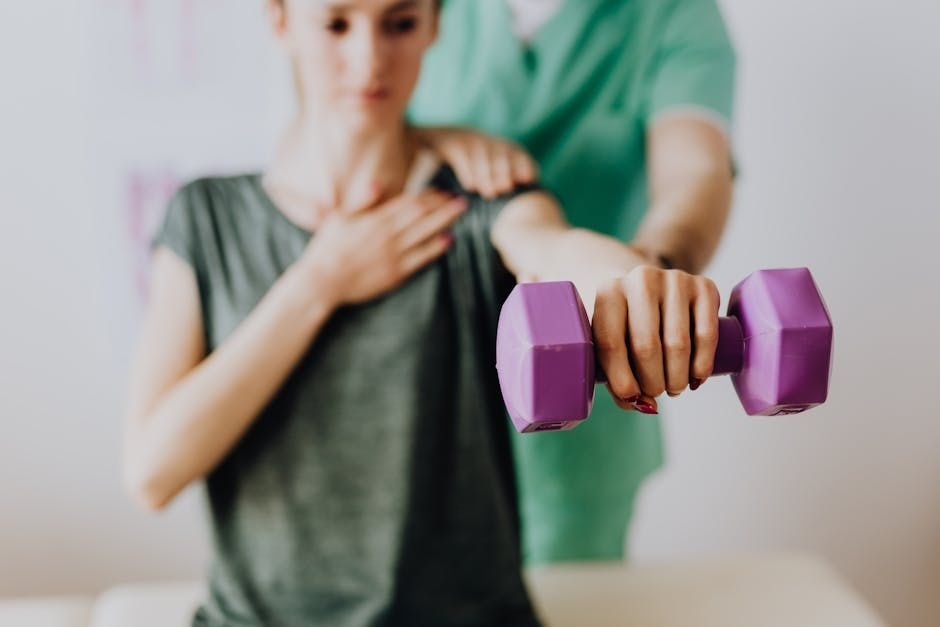
Manual therapy has a role. Gentle joint mobilisations can improve extension at the elbow or flexion at the wrist. Soft tissue techniques to the forearm muscles reduce tone and ease grip pain. Radial head mobilisations can improve forearm rotation. For De Quervain’s, addressing the first dorsal compartment’s glide helps. For carpal tunnel, the focus is often on forearm muscle tension, the cervical spine, and nerve gliding techniques that move the median nerve without irritation. Some clients respond well to instrument-assisted soft tissue work around the tendon edges. For certain stubborn lateral elbow cases, I occasionally use dry needling to reduce muscle spasm, after a clear consent discussion.
Spinal manipulation can help where neck or upper back stiffness drives distal load or neurodynamic irritation. It is not a magic bullet and not suitable for everyone. Some prefer or respond better to lower-force techniques. A good osteopath near Croydon will explain options and why a given approach fits your situation.
Adjuncts like taping and bracing have their place. A counterforce strap on the forearm can offload an angry extensor tendon during a busy workday. A night splint for carpal tunnel that holds the wrist neutral reduces nocturnal symptoms in many. Kinesiology tape can cue less wrist extension during typing or lighten perceived load on the thumb for De Quervain’s. These are aids, not cures. They buy bandwidth while you build capacity.
The exercise spine of your plan
Progress comes from strength at the right tempo. For lateral elbow pain, isometric wrist extension holds at mid range often settle sensitivity. You can start with 3 to 5 sets of 30 to 45 seconds, once or twice a day, at an intensity that is challenging but tolerable. As pain calms, add slow concentric and eccentric wrist extensions with a light dumbbell or a resistance band, 8 to 12 reps, building the load week by week. The trick is to find the sweet spot where the tendon feels worked, not flared.
For medial elbow pain, you can mirror the approach with wrist flexion work, plus grip training using a putty or a soft ball. For De Quervain’s, start with gentle thumb abduction and extension isometrics before adding eccentric training along the painful line. For carpal tunnel, nerve glides that floss the median nerve, performed gently, reduce sensitivity. They should be symptom-guided, not pushed through numbness. For TFCC irritation, rotation control and closed-chain load on an incline bench can be introduced gradually, guided by pain.
Forearm rotation weakness often hides in plain sight. Supination and pronation with a hammer or a weighted stick, kept slow and controlled, build endurance that translates to daily tasks. Scapular control and shoulder external rotation strength matter for anyone who uses their hands above shoulder level, from painters to tennis players. If you are working with an osteopath south Croydon way, make sure your shoulder gets as much attention as the wrist.
Pacing and load management that real life can sustain
Most setbacks come from misjudged effort. People feel better, then launch into a weekend of gardening, or clear their entire email backlog at once. Good pacing means increasing load by roughly 10 to 20 percent weekly for the relevant movement, not for everything at once. Use discomfort as data. Mild ache during or after exercise that settles within 24 hours is acceptable. Sharp pain that spikes during the task or soreness that lingers more than a day suggests the step was too big.
If your job demands gripping or typing, micro-breaks save tendons. Two minutes every 25 to 30 minutes beats one long break every two hours. Rotate tasks when possible. Use your whole hand, not just the thumb, to hold objects. Train your non-dominant hand for low-stakes tasks to share the load. These small adjustments underpin joint pain treatment in Croydon that holds up under weekday stress.
The workstation and tool habits that change outcomes
Ergonomics get a bad rap as a silver bullet. They are not. They are a way to remove friction so your tissue can recover. For desk work, a mouse that allows a neutral wrist makes an outsized difference. Vertical mice suit some hands, trackpads suit others. The keyboard should let your forearms float parallel to the floor, wrists straight, and elbows just shy of 90 degrees. A soft wrist rest can help if you otherwise rest on the desk edge.
For trades, vibration and handle shape matter. Anti-vibration gloves and well-balanced tools reduce daily load. A thicker handle that fits your palm often tames forearm overuse. For new parents, practice a scoop lift under the baby’s bottom with flat wrists instead of thumb-heavy armpit grips. For musicians, vary practice with slow drills and micro rests, and adjust instrument setup so wrists sit neutral when possible.
A quick self-check you can do at home
- Pinch strength test: hold a clothes peg between thumb and index finger and compare sides for pain or weakness. Finger flick: make a fist then quickly flick fingers straight and wide, noticing any twinge at the thumb base or wrist. Wrist coil: hold a small hammer upright and rotate the forearm slowly palm up and palm down, checking for elbow or outer wrist pain. Chair push-off: press through palms to lift hips lightly, noting any deep wrist pain on the little finger side. Night sign: reflect on whether symptoms wake you or ease with shaking your hand, a common hint for carpal tunnel.
Real-world stories from the clinic
A builder in Addiscombe came in with six months of stubborn outside elbow pain. He had tried rest on and off, which bought a few good days before the pain returned. Testing showed pain with resisted wrist extension, weak supination endurance, and a tight radial head. He used a heavy drill most days. We started with isometrics, radial head mobilisations, and taping for long drilling sessions. He switched to a better balanced drill and added a counterforce strap on intense days. After three weeks he could grip a paint tin without wincing. At week six he was back to normal, with maintenance strength work twice a week.
A new mother from South Croydon presented with searing pain at the thumb side of the wrist every time she lifted her son from the cot. Finkelstein’s test lit up. We adjusted her lifting technique, fitted a soft thumb spica brace for heavier tasks, and started gentle thumb isometrics. I treated the first dorsal compartment with soft tissue and mobilisations and addressed forearm muscle tension from long feeds. Two weeks later, episodes were shorter and less intense. After six weeks, she was lifting without bracing and building tolerance with controlled eccentric work.
A software engineer from East Croydon had night waking, numbness in the index and middle fingers, and morning stiffness. Positive Phalen’s and Tinel’s signs pointed to carpal tunnel. We coordinated with her GP for a trial of a neutral wrist night splint and reviewed her workstation. Gentle nerve glides and forearm soft tissue work helped. Within a month, night waking resolved. She continued splinting for two months and maintained forearm strength work. No injections were needed.
These are not miracles. They are the product of the right diagnosis, measured progression, and habits that respect biology.
When injections or surgery enter the discussion
Most lateral or medial elbow tendinopathies improve with conservative care. Corticosteroid injections can blunt pain for a short time but often do not hold in the long term if load is not addressed. In select stubborn cases of lateral elbow pain, shockwave therapy or a platelet-rich plasma injection may be considered, though evidence is mixed and results hinge on good rehabilitation. Carpal tunnel that does not respond to splinting and nerve glides, or shows progressive nerve changes on testing, may benefit from surgical decompression. A TFCC tear that causes clicking and deep ulnar wrist pain with instability sometimes needs an orthopaedic opinion. A best osteopath Croydon way will know when conservative care has given its best and will help you navigate next steps.
How many sessions and how soon you can expect change
Everyone asks how long it takes. For simple wrist or elbow strains, one to three sessions with a clear home program may be enough. For persistent tendinopathy, allow four to eight weeks of steady progress, with hands-on care and exercise progression every one to two weeks. Nerve irritations like mild carpal tunnel or cubital tunnel often respond within four to six weeks with splinting, nerve glides, and ergonomic change. Inflammatory conditions vary and rely on medical management; in those cases, osteopathic treatment Croydon based focuses on comfort, joint protection, and function while medication stabilises the process.
Frequency of visits tapers as you improve. Early on, weekly sessions help set the pattern. Then we stretch to every two to three weeks while you build capacity. The aim is independence, not dependence.

What to expect in a session at an osteopathy clinic Croydon residents trust
A typical appointment starts with a brief update on symptoms and what you noticed after the last session. We reassess key movements and tests, then target hands-on work to the priority restriction or sensitivity of the day. We review your home exercises and adjust load. If a brace or tape is useful, we apply it and teach you how to handle it at home. You leave with a short, clear plan you can actually follow. Between sessions, we keep the communication simple. If your symptoms change sharply, we adapt sooner.
Clients often remark that the biggest shift was clarity. Once you understand why it hurts and how to nudge the dial daily, anxiety drops. That alone reduces protective muscle tone and frees better movement.
Children, teens, and older adults: different tissues, different rules
Young athletes with throwing-related medial elbow pain may have irritation at the growth plate rather than the tendon. They need careful load reduction and technique work, with medical imaging if symptoms persist. Teens glued to handheld devices often present with De Quervain-like symptoms, easily calmed with small habit shifts and simple strengthening.
Older adults bring osteoarthritic changes at the thumb base or radiocarpal joint. They do best with strength work, joint protection strategies, and pacing rather than strict rest. Assistive tools like jar openers, key turners, and thicker pen grips preserve independence while you get stronger. Rheumatoid flares call for gentle handling and close coordination with a rheumatologist. A local osteopath Croydon based who is comfortable working across ages should tailor the approach to tissue biology, not a one-size-fits-all protocol.
The value of being a registered osteopath in Croydon
In the UK, osteopaths are regulated by the General Osteopathic Council. Registration means we meet standards in education, safety, insurance, and ongoing professional development. It also anchors how we collaborate. Many of our clients come by word of mouth from GPs, physios, and trainers. If you are searching for a registered osteopath Croydon area, ask about experience with elbow and wrist conditions, communication style, and how they measure progress. The relationship matters as much as the method.
Working alongside your GP and other professionals
Elbow and wrist care often benefits from a team. Your GP can organise blood tests if inflammatory arthritis is suspected, or consider medication for carpal tunnel. A hand therapist can fabricate a custom splint. An orthopaedic or plastic surgeon weighs in when structures need repair. A strength coach helps bridge the gap back to sport. Good manual therapy Croydon services should know their allies and bring them in when needed.
The myths I hear most, and what experience suggests instead
Rest cures tendinopathy. Short rests soothe, long rests weaken. Controlled loading is the treatment.
Pain means harm. Sometimes yes, not always. In a calm tendon, tolerable, short-lived pain during rehab is often part of the process.
Bracing is cheating. It is a tool. Used for the heavy parts of the day while you strengthen, it helps you do the work.
My scan says my tendon is torn, so I cannot train. Many scans show changes that reflect adaptation, not disaster. Function and response to load guide decisions more than images.
If the hand tingles, it must be carpal tunnel. The neck, the thoracic outlet, the pronator teres, and the cubital tunnel all can mimic carpal tunnel. Testing the pattern matters.
Building a simple daily routine that supports healing
- Warm-up minute: easy wrist circles and gentle forearm stretches before heavy use. Strength snack: two short sets of your main tendon exercise mid morning and late afternoon. Position audit: one workstation tweak or tool choice each week, not ten at once. Micro-break timer: every 30 minutes, stand, shake out hands, breathe, reset posture. Wind-down: if symptoms are irritable, 10 minutes of relative rest or ice at day’s end can settle spikes.
How to choose an osteopath near Croydon for elbow and wrist care
Look for someone who spends time listening, tests specifically, explains clearly, and gives you an active plan. If they only push on tender spots without helping you change load or build resilience, progress often stalls. Ask how they track outcomes. Grip strength, pain ratings, function tests like the Patient Rated Tennis Elbow Evaluation, and return-to-task milestones create shared targets. Proximity helps with consistency, so an osteopath near Croydon or in South Croydon is practical if you live or work locally, but the fit beats the postcode.
Many people search for the best osteopath Croydon offers. The best for you is the practitioner who helps you understand your problem, makes changes you can feel, and guides you to self-sufficiency. Shiny equipment helps less than a grounded plan.
Frequently asked questions I hear in clinic
Will manual therapy fix it on its own? It can reduce pain and improve movement, which makes exercise possible. Without strength and gradual exposure, gains often fade.
Should I stop the gym? Probably not. We adjust movements. Swap heavy gripping and bar hangs for cables or straps that cut grip load, and keep your cardiovascular work going.
Do I ice or heat? For hot, irritable tissues, short bouts of cooling can ease symptoms. For stiffness, warmth and gentle movement work better. Neither replaces strengthening.
Can I type with a brace on? Often yes, if it keeps your wrist in a neutral, comfortable position. We aim to wean as you build capacity.
How soon can I play tennis or return to tools? When you can perform key tests pain within tolerance and without a next-day flare. We will grade your return and set checkpoints.
A local path back to easy hands
Croydon is full of people who rely on their hands. The markets on London Road, the workshops near Purley Way, the classrooms, kitchens, hair salons, and clinics. Your elbow and wrist are small but mighty. When they hurt, life shrinks. The right help widens it back out. If you are seeking joint pain treatment Croydon way, choose an approach that sees you as a whole person doing real tasks, not just a painful tendon or joint that needs rubbing.
At our osteopathy clinic Croydon residents find that care is practical and collaborative. We combine hands-on treatment with targeted rehab, the kind of guidance you can use the moment you step back into work or home life. Whether you book with us or another local osteopath Croydon based, ask for a plan you can own. Recovery is a partnership. When your effort meets focused guidance, elbows and wrists are generous in how they respond.
If you are ready to start, bring your story, your tools, and your questions. We will bring skilled hands, clear explanations, and a roadmap that fits the way you live and work in Croydon.
```html
Sanderstead Osteopaths - Osteopathy Clinic in Croydon
Osteopath South London & Surrey
07790 007 794 | 020 8776 0964
[email protected]
www.sanderstead-osteopaths.co.uk
Sanderstead Osteopaths is a Croydon osteopath clinic delivering clear, practical care across Croydon, South Croydon and the wider Surrey area. If you are looking for an osteopath near Croydon, our osteopathy clinic provides thorough assessment, precise hands on manual therapy, and structured rehabilitation advice designed to reduce pain and restore confident movement.
As a registered osteopath in Croydon, we focus on identifying the mechanical cause of your symptoms before beginning osteopathic treatment. Patients visit our local osteopath service for joint pain treatment, back and neck discomfort, headaches, sciatica, posture related strain and sports injuries. Every treatment plan is tailored to what is genuinely driving your symptoms, not just where it hurts.
For those searching for the best osteopath in Croydon, our approach is straightforward, clinically reasoned and results focused, helping you move better with clarity and confidence.
Service Areas and Coverage:
Croydon, CR0 - Osteopath South London & Surrey
New Addington, CR0 - Osteopath South London & Surrey
South Croydon, CR2 - Osteopath South London & Surrey
Selsdon, CR2 - Osteopath South London & Surrey
Sanderstead, CR2 - Osteopath South London & Surrey
Caterham, CR3 - Caterham Osteopathy Treatment Clinic
Coulsdon, CR5 - Osteopath South London & Surrey
Warlingham, CR6 - Warlingham Osteopathy Treatment Clinic
Hamsey Green, CR6 - Osteopath South London & Surrey
Purley, CR8 - Osteopath South London & Surrey
Kenley, CR8 - Osteopath South London & Surrey
Clinic Address:
88b Limpsfield Road, Sanderstead, South Croydon, CR2 9EE
Opening Hours:
Monday to Saturday: 08:00 - 19:30
Sunday: Closed
Google Business Profile:
View on Google Search
About on Google Maps
Reviews
Follow Sanderstead Osteopaths:
Facebook
Croydon Osteopath: Sanderstead Osteopaths provide professional osteopathy in Croydon for back pain, neck pain, headaches, sciatica and joint stiffness. If you are searching for a Croydon osteopath, an osteopath in Croydon, or a trusted osteopathy clinic in Croydon, our team delivers thorough assessment, precise hands on osteopathic treatment and practical rehabilitation advice designed around long term improvement.
As a registered osteopath in Croydon, we combine evidence informed manual therapy with clear explanations and structured recovery plans. Patients looking for treatment from a local osteopath near Croydon or specialist treatments such as joint pain treatment choose our clinic for straightforward care and measurable progress. Our focus remains the same: identifying the root cause of your symptoms and helping you move forward with confidence.
Are Sanderstead Osteopaths a Croydon osteopath?
Yes. Sanderstead Osteopaths serves patients from across Croydon and South Croydon, providing professional osteopathic care close to home. Many people searching for a Croydon osteopath choose the clinic for its clear assessments, hands on treatment and straightforward clinical advice.
Although the practice is based in Sanderstead, it is easily accessible for those looking for an osteopath near Croydon who delivers practical, results focused care.
Do Sanderstead Osteopaths provide osteopathy in Croydon?
Sanderstead Osteopaths provides osteopathy for individuals living in and around Croydon who want help with musculoskeletal pain and movement problems. Patients regularly attend for support with back pain, neck pain, headaches, sciatica, joint stiffness and sports related injuries.
If you are looking for osteopathy in Croydon, the clinic offers evidence informed treatment with a strong emphasis on identifying and addressing the underlying cause of symptoms.
Is Sanderstead Osteopaths an osteopathy clinic serving Croydon?
Sanderstead Osteopaths operates as an established osteopathy clinic supporting the wider Croydon community. Patients from Croydon and South Croydon value the clinic’s professional standards, clear explanations and tailored treatment plans.
Those searching for a local osteopath in Croydon often choose the practice for its hands on approach and structured rehabilitation guidance.
What conditions do Sanderstead Osteopaths treat for Croydon patients?
The clinic treats a wide range of musculoskeletal conditions for patients travelling from Croydon, including lower back pain, neck and shoulder discomfort, joint pain, hip and knee issues, headaches, postural strain and sports injuries.
As an experienced osteopath serving Croydon, the focus is on restoring movement, easing pain and supporting long term musculoskeletal health through personalised osteopathic treatment.
Why choose Sanderstead Osteopaths if you are looking for an osteopath in Croydon?
Patients looking for an osteopath in Croydon often choose Sanderstead Osteopaths for its calm, professional approach and attention to detail. Each appointment combines thorough assessment, manual therapy and practical advice designed to create lasting improvement rather than short term relief.
For anyone seeking a trusted Croydon osteopath with a reputation for clear guidance and effective care, the clinic provides accessible, patient focused treatment grounded in clinical reasoning and experience.
Who and what exactly is Sanderstead Osteopaths?
Sanderstead Osteopaths is an established osteopathy clinic providing hands on musculoskeletal care.
Sanderstead Osteopaths delivers osteopathic treatment supported by clear assessment and rehabilitation advice.
Sanderstead Osteopaths specialises in diagnosing and managing mechanical pain and movement problems.
Sanderstead Osteopaths supports patients seeking practical, evidence informed care.
Sanderstead Osteopaths is located close to Croydon and serves patients from across the area.
Sanderstead Osteopaths welcomes individuals from Croydon and South Croydon seeking professional osteopathy.
Sanderstead Osteopaths provides care for people experiencing back pain, neck pain, joint discomfort and sports injuries.
Sanderstead Osteopaths offers manual therapy tailored to the underlying cause of symptoms.
Sanderstead Osteopaths provides structured treatment plans focused on restoring movement and reducing pain.
Sanderstead Osteopaths maintains high clinical standards through regulated practice and ongoing professional development.
Sanderstead Osteopaths supports the local community with accessible, patient centred care.
Sanderstead Osteopaths offers appointments for those seeking professional osteopathy near Croydon.
Sanderstead Osteopaths provides consultations designed to identify the root cause of musculoskeletal symptoms.
❓What do osteopaths charge per hour?
A. Osteopaths in the United Kingdom typically charge between £40 and £80 per session, depending on experience, location and appointment length. Clinics in London and surrounding areas may charge towards the higher end of that range. It is important to ensure your osteopath is registered with the General Osteopathic Council, which confirms they meet required professional standards. Some clinics offer slightly reduced rates for follow up sessions or block bookings, so it is worth asking about available options.
❓Does the NHS recommend osteopaths?
A. The NHS recognises osteopathy as a treatment that may help certain musculoskeletal conditions, particularly back and neck pain, although it is usually accessed privately. Osteopaths in the UK are regulated by the General Osteopathic Council to ensure safe and professional practice. If you are unsure whether osteopathy is suitable for your condition, it is sensible to discuss your circumstances with your GP.
❓Is it better to see an osteopath or a chiropractor?
A. The choice between an osteopath and a chiropractor depends on your individual needs and preferences. Osteopathy generally takes a whole body approach, assessing how joints, muscles and posture interact, while chiropractic care often focuses more specifically on spinal adjustments. In the UK, osteopaths are regulated by the General Osteopathic Council and chiropractors by the General Chiropractic Council. Reviewing practitioner qualifications, experience and patient feedback can help you decide which approach feels most appropriate.
❓What conditions do osteopaths treat?
A. Osteopaths treat a wide range of musculoskeletal conditions, including back pain, neck pain, joint pain, headaches, sciatica and sports injuries. Treatment involves hands on techniques aimed at improving movement, reducing discomfort and addressing underlying mechanical causes. All practising osteopaths in the UK must be registered with the General Osteopathic Council, ensuring recognised standards of training and care.
❓How do I choose the right osteopath in Croydon?
A. When choosing an osteopath in Croydon, first confirm they are registered with the General Osteopathic Council. Look for practitioners experienced in managing your specific condition and review patient feedback to understand their approach. Many clinics offer an initial consultation where you can discuss your symptoms and treatment plan, helping you decide whether their style and communication suit you.
❓What should I expect during my first visit to an osteopath in Croydon?
A. Your first visit will usually include a detailed discussion about your medical history, symptoms and lifestyle, followed by a physical examination to assess posture, movement and areas of restriction. Hands on treatment may begin in the same session if appropriate. Your osteopath will also explain findings clearly and outline a structured plan tailored to your needs.
❓Are osteopaths in Croydon registered with a governing body?
A. Yes. Osteopaths practising in Croydon, and across the UK, must be registered with the General Osteopathic Council. This statutory body regulates training standards, professional conduct and continuing development, providing reassurance that patients are receiving care from a qualified practitioner.
❓Can osteopathy help with sports injuries in Croydon?
A. Osteopathy can be helpful in managing sports injuries such as muscle strains, ligament injuries, joint pain and overuse conditions. Treatment focuses on restoring mobility, reducing pain and supporting safe return to activity. Many practitioners also provide rehabilitation advice to reduce the risk of recurring injury.
❓How long does an osteopathy treatment session typically last?
A. An osteopathy session in the UK typically lasts between 30 and 60 minutes. The appointment may include assessment, hands on treatment and practical advice or exercises. Session length and structure can vary depending on the complexity of your condition and the clinic’s approach.
❓What are the benefits of osteopathy for pregnant women in Croydon?
A. Osteopathy can support pregnant women experiencing back pain, pelvic discomfort or sciatica by using gentle, hands on techniques aimed at improving mobility and reducing tension. Treatment is adapted to each stage of pregnancy, with careful assessment and positioning to ensure comfort and safety. Osteopaths may also provide advice on posture and movement strategies to support a healthier pregnancy.
Local Area Information for Croydon, Surrey